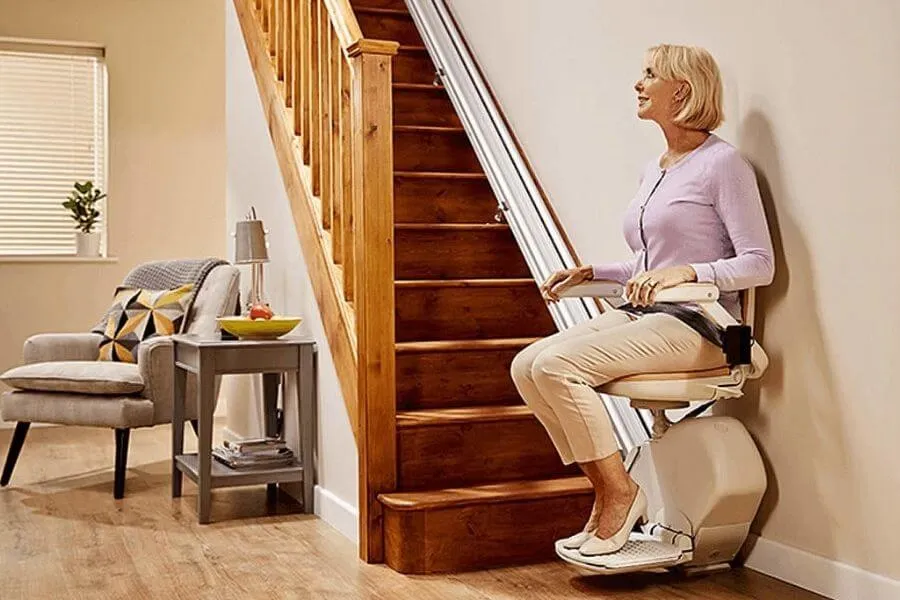
A second-hand stairlift has little resale value, and a curved one is worth almost nothing. Removal costs around £200 for a straight lift and up to about £350 for a curved lift, and it takes an engineer around an hour. Whether to take it out before selling your house depends on your buyers.
Is an old stairlift worth anything?
Honestly, not much. This catches many people out, particularly executors clearing a house after a death or families whose parent has moved into care. Manufacturers and installers are rarely interested in buying a lift back, even a fairly new one.
The reason is that a stairlift is built around one staircase. A straight lift stands a chance of reuse, since its rail is a standard type, and straight lifts are the large majority of installations. But even a straight rail will not fit every staircase, and a buyer needs the skill to dismantle and refit it. A curved rail is made for one set of stairs and is useless anywhere else, so it has negligible resale value, even if the lift itself is fairly new.
If you are tempted by an online listing, be realistic. State clearly that the buyer must dismantle and collect, expect a low price, and do not be surprised if nobody bites. A reputable reconditioner may take a recent straight lift of a popular type, but some will charge a removal fee for older units. That depends on make, age and condition.
What removal costs
| Stairlift type | Typical removal cost |
|---|---|
| Straight | Around £200 |
| Curved | Up to about £350 |
Older units may attract a fee, and the price depends on the type. A curved rail is larger and heavier, and often needs two engineers. Our stairlift removal service covers all the major brands, whether or not we fitted yours.
What removal involves
- The engineer lays down floor protection and disconnects the power.
- The seat and carriage come off, then the rail is unbolted from the stair treads.
- The charger unit and any wall fixings are removed.
- Small holes are filled where they can be, and the area is cleared.
Because the rail is fixed to the treads, not the wall, what is left is a set of screw holes. Carpet may show dents from the feet and a slightly different shade where the rail stood. Laying a bag of ice or something cold over the dents, or gently steaming them, can lift the pile, and it often recovers over time.
A reputable firm will dispose of the lift responsibly, through recycling, not a skip or a lay-by. Ask where it goes. If you are removing it temporarily, perhaps for new carpets, say so and ask about refitting.
Selling a house with a stairlift in it
A stairlift does not kill a house sale. For most buyers it is a minor talking point, and it can help if the buyer has a need themselves. Your options:
- Leave it in and say so. It suits family and downsizer markets, and it saves a buyer the cost of fitting one.
- Remove it before listing. Sensible if the staircase photographs better empty or your buyers are likely to want a blank canvas.
- Leave the choice to the buyer. State that removal can be arranged before or after completion. It is often the smartest route because you avoid deciding before you know who is buying.
Whatever you decide, present it properly. Have it serviced and cleaned, make sure the seat folds away neatly, and keep any installation paperwork, warranty details and service history to hand. Buyers like to see a record. Our servicing guide explains what a good record looks like. Ask your solicitor to confirm in writing whether the lift is included in the sale.
Selling a relative's house
If you are an executor, arrange removal before the property goes on the market, because an empty staircase shows better in photos. If the lift was fitted privately, you own it and removal is your job. If it came through a council grant, check the terms. Some authorities keep the right to reclaim equipment, and the Colchester stairlift grant has its own conditions, covered in our stairlift grants guide.
If you rent from a council or housing association, ask your landlord before you do anything. Our guide to stairlifts for council and housing association tenants explains who usually owns the equipment.
Questions to ask before you book removal
- Is the price per lift fixed, and does it include making good the fixings?
- Will one engineer or two attend? Curved rails are heavy.
- Where does the lift go afterwards, and is it recycled?
- Can the same firm refit or replace it later if you only need it out temporarily?
- Is there any paperwork to show a buyer or a landlord that it has gone?
Removal is also a good moment to think about what comes next. If someone else in the family now needs a lift, a unit may be able to move to a straight staircase at another address, but only after a survey. Our installation and aftercare page explains what that process involves.
Can I take it with me?
Rarely. The rail was cut or made for your stairs, so unless your new staircase is close to identical, it will not fit. Ask the original installer whether moving it is realistic before you assume it is. A rental lift would sidestep the problem, and our rent or buy guide covers when that makes sense.
Next step
Planning a replacement instead? Our guide to how long stairlift installation takes shows what the next fitting involves. For a removal quote, use the contact page. We will give you a price for your lift and tell you honestly whether it has any value.
Frequently asked questions
How much does it cost to remove a stairlift?
Around £200 for a straight stairlift and up to about £350 for a curved one. Older units may attract a fee, and the exact price depends on the type and the staircase.
Can I sell my old stairlift?
You can try, but resale value is low. Curved lifts are worth almost nothing because the rail fits only one staircase. A recent straight lift has a better chance, but expect a modest price.
Should I remove a stairlift before selling my house?
Not necessarily. Many buyers do not mind it, and some want one. You can leave it in and say removal can be arranged, or take it out before listing if you prefer a clear staircase.
Does removing a stairlift damage the stairs?
The rail is fixed to the stair treads, so removal leaves small screw holes, which can be filled. Carpet may show dents or a colour difference where the supports stood.
stairlift removalsell stairliftselling a house with a stairliftsecond hand stairlift
More in Installation and aftercare
- Stairlift installation: the complete guide
- How Long Does Stairlift Installation Take?
- Preparing Your Home for a Stairlift Installation
- Stairlift Batteries and Power Cuts: What Happens?
- Stairlift Not Working? Safe Checks Before You Call for Repairs
- Stairlift Servicing and Maintenance Guide
- What Happens at a Free Stairlift Survey?